Fairhope and Atmore
Phone (251) 928-6768




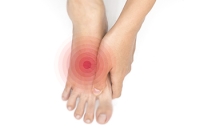
Gout is a painful, inflammatory form of arthritis. Those affected will typically feel an intense stiffness in the joints of their feet, particularly in the big toe. Schedule a visit to learn about how gout can be managed and treated.

Foot pain is a common problem for many pregnant women as the body changes to support extra weight. Added pressure, hormonal shifts, and swelling often contribute to sore, tired feet. Choosing shoes that provide strong arch support and cushioning can help reduce strain. Avoid wearing high heels or completely flat shoes, as they can worsen discomfort. Elevating your feet whenever possible helps control swelling and encourages better blood flow. Gentle stretching or simple foot exercises may ease tension. Compression socks may reduce swelling, especially if you spend much of your day standing. If foot pain is interfering with your comfort or daily activities during pregnancy, it is suggested you schedule a visit with a podiatrist for additional guidance on relieving discomfort and protecting your foot health.
Pregnant women with swollen feet can be treated with a variety of different methods that are readily available. For more information about other cures for swollen feet during pregnancy, consult with Brent Harwood, DPM from Southeast Podiatry. Our doctor will attend to all of your foot and ankle needs.
What Foot Problems Can Arise During Pregnancy?
One problem that can occur is overpronation, which occurs when the arch of the foot flattens and tends to roll inward. This can cause pain and discomfort in your heels while you’re walking or even just standing up, trying to support your baby.
Another problem is edema, or swelling in the extremities. This often affects the feet during pregnancy but tends to occur in the later stages.
How Can I Keep My Feet Healthy During Pregnancy?
If you have any questions please feel free to contact one of our offices located in Fairhope and Atmore, AL . We offer the newest diagnostic and treatment technologies for all your foot and ankle needs.

Plantar warts are small growths that develop on parts of the feet that bear weight. They're typically found on the bottom of the foot. Don't live with plantar warts, and call us today!

Painful deformities, such as hammertoes, can be treated. Stop living with foot pain, and have beautiful feet again!

Plantar fasciitis, also known as heel spur syndrome, is a common cause of heel pain. It occurs when the thick band of tissue along the bottom of the foot becomes inflamed, often where it connects to the heel bone. Signs include sharp pain when taking the first steps in the morning or after long periods of rest. Causes include overuse, wearing poor footwear, or standing for long hours. Risk factors include flat feet, high arches, and obesity. A podiatrist can diagnose the condition and provide treatments such as stretching plans or custom orthotics. If you have consistent heel pain, it is suggested that you visit a who can provide appropriate relief and treatment solutions.
Plantar fasciitis can be very painful and inconvenient. If you are experiencing heel pain or symptoms of plantar fasciitis, contact Brent Harwood, DPM from Southeast Podiatry. Our doctor can provide the care you need to keep you pain-free and on your feet.
What Is Plantar Fasciitis?
Plantar fasciitis is the inflammation of the thick band of tissue that runs along the bottom of your foot, known as the plantar fascia, and causes mild to severe heel pain.
What Causes Plantar Fasciitis?
How Can It Be Treated?
While very treatable, plantar fasciitis is definitely not something that should be ignored. Especially in severe cases, speaking to your doctor right away is highly recommended to avoid complications and severe heel pain. Your podiatrist can work with you to provide the appropriate treatment options tailored to your condition.
If you have any questions please feel free to contact one of our offices located in Fairhope and Atmore, AL . We offer the newest diagnostic and treatment technologies for all your foot and ankle needs.

Neuropathy is a condition that can lead to numbness or loss of sensation in the feet, but it can also cause pain. This condition is more likely to develop for those who are diabetic, obese, or with high blood pressure.

Rheumatoid arthritis is a chronic autoimmune condition that causes the immune system to attack healthy joints, often affecting the feet and ankles. It leads to inflammation, pain, stiffness, and joint deformity. Causes include genetic and environmental factors that trigger an abnormal immune response. Risk factors include family history, smoking, and age. Symptoms in the feet may include swelling, tenderness, limited range of motion, and difficulty walking. A podiatrist can help manage foot-related symptoms through custom orthotics, supportive footwear, targeted exercises, and coordination with rheumatologists. If you are experiencing persistent foot pain, stiffness, or swelling, it is suggested that you visit a podiatrist for expert care and solutions to maintain mobility and improve your quality of life.
Because RA affects more than just your joints, including the joints in your feet and ankles, it is important to seek early diagnosis from your podiatrist if you feel like the pain in your feet might be caused by RA. For more information, contact Brent Harwood, DPM of Southeast Podiatry. Our doctor will assist you with all of your podiatric concerns.
What Is Rheumatoid Arthritis?
Rheumatoid Arthritis (RA) is an autoimmune disorder in which the body’s own immune system attacks the membranes surrounding the joints. Inflammation of the lining and eventually the destruction of the joint’s cartilage and bone occur, causing severe pain and immobility.
Rheumatoid Arthritis of the Feet
Although RA usually attacks multiple bones and joints throughout the entire body, almost 90 percent of cases result in pain in the foot or ankle area.
Symptoms
Diagnosis
Quick diagnosis of RA in the feet is important so that the podiatrist can treat the area effectively. Your doctor will ask you about your medical history, occupation, and lifestyle to determine the origin of the condition. Rheumatoid Factor tests help to determine if someone is affected by the disease.
If you have any questions please feel free to contact one of our offices located in Fairhope and Atmore, AL . We offer the newest diagnostic and treatment technologies for all your foot and ankle needs.

Do you work on your feet all day and find your feet in pain? Don't go to work in pain each day. Your foot pain can be treated, and we can help.

Negative pressure wound therapy applies controlled suction to non‑healing wounds on the foot, toes, or ankle to reduce excess fluid, improve blood flow, and stimulate healthy tissue formation. A podiatrist evaluates the wound’s depth, tissue condition, and surrounding skin before implementing therapy. The procedure involves using a porous dressing connected to a device that gently draws out excess fluids and encourages the wound edges to contract. This type of wound care also supports new tissue growth and promotes circulation. By removing excess fluid and proteins, the therapy helps restore proper pressure balance in the wound bed. It is most suitable for ulcers, non‑healing surgical sites, or complicated ankle wounds that have stalled in healing. Negative pressure therapy supports wound closure while it also minimizes infection risk and avoids unnecessary surgery. If you have foot wounds that will not heal, it is suggested that you schedule an appointment with a podiatrist for appropriate treatment.
Wound care is an important part in dealing with diabetes. If you have diabetes and a foot wound or would like more information about wound care for diabetics, consult with Brent Harwood, DPM from Southeast Podiatry. Our doctor will assess your condition and provide you with quality foot and ankle treatment.
What Is Wound Care?
Wound care is the practice of taking proper care of a wound. This can range from the smallest to the largest of wounds. While everyone can benefit from proper wound care, it is much more important for diabetics. Diabetics often suffer from poor blood circulation which causes wounds to heal much slower than they would in a non-diabetic.
What Is the Importance of Wound Care?
While it may not seem apparent with small ulcers on the foot, for diabetics, any size ulcer can become infected. Diabetics often also suffer from neuropathy, or nerve loss. This means they might not even feel when they have an ulcer on their foot. If the wound becomes severely infected, amputation may be necessary. Therefore, it is of the upmost importance to properly care for any and all foot wounds.
How to Care for Wounds
The best way to care for foot wounds is to prevent them. For diabetics, this means daily inspections of the feet for any signs of abnormalities or ulcers. It is also recommended to see a podiatrist several times a year for a foot inspection. If you do have an ulcer, run the wound under water to clear dirt from the wound; then apply antibiotic ointment to the wound and cover with a bandage. Bandages should be changed daily and keeping pressure off the wound is smart. It is advised to see a podiatrist, who can keep an eye on it.
If you have any questions, please feel free to contact one of our offices located in Fairhope and Atmore, AL . We offer the newest diagnostic and treatment technologies for all your foot care needs.