Fairhope and Atmore
Phone (251) 928-6768




Painful deformities, such as hammertoes, can be treated. Stop living with foot pain, and have beautiful feet again!
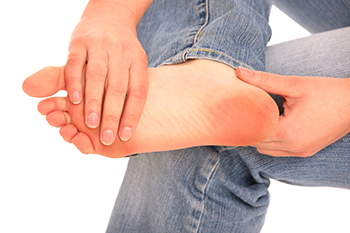
Foot tendinitis occurs when one or more tendons become irritated or inflamed, often due to overuse or strain. Pain may develop along the top, side, or arch of the foot, and it can feel achy, sharp, or tight with movement. The area may appear slightly swollen and tender to the touch, and discomfort often worsens during walking, running, or standing for long periods. Foot tendinitis is commonly linked to repetitive activity, sudden increases in exercise, improper footwear, or structural imbalances in the foot. A podiatrist can evaluate the affected tendon through a physical exam and may use imaging to confirm the diagnosis. Treatment typically focuses on reducing inflammation and restoring function with supportive footwear, custom orthotics, and targeted exercises to strengthen and stabilize the foot. Early care can help prevent worsening symptoms or chronic injury. If you have ongoing foot pain, it is suggested that you make an appointment with a podiatrist.
Foot Pain
Foot pain can be extremely painful and debilitating. If you have a foot pain, consult with Brent Harwood, DPM from Southeast Podiatry. Our doctor will assess your condition and provide you with quality foot and ankle treatment.
Causes
Foot pain is a very broad condition that could be caused by one or more ailments. The most common include:
Diagnosis
To figure out the cause of foot pain, podiatrists utilize several different methods. This can range from simple visual inspections and sensation tests to X-rays and MRI scans. Prior medical history, family medical history, and any recent physical traumatic events will all be taken into consideration for a proper diagnosis.
Treatment
Treatment depends upon the cause of the foot pain. Whether it is resting, staying off the foot, or having surgery; podiatrists have a number of treatment options available for foot pain.
If you have any questions, please feel free to contact one of our offices located in Fairhope and Atmore, AL . We offer the newest diagnostic and treatment technologies for all your foot care needs.

Neuropathy is a condition that can lead to numbness or loss of sensation in the feet, but it can also cause pain. This condition is more likely to develop for those who are diabetic, obese, or with high blood pressure.
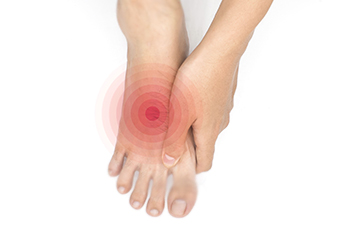
Foot problems do not always feel the same, even when they are serious. In people with poor circulation, extra pressure on the feet often causes pain. In those with diabetes and nerve damage, that same pressure may lead to open sores without any discomfort. This difference can delay care and allow wounds to worsen. Circulation issues usually begin in larger blood vessels higher in the leg, while diabetes-related changes often affect smaller vessels in the lower leg and foot. Diabetes can also cause stiffened vessels and tiny areas of low oxygen in the skin, further limiting healing. Because feeling is reduced, a lack of pain does not mean a lack of danger. Care must focus on relieving pressure and treating wounds early, while also checking blood flow. If you have diabetes and notice changes in your feet, it is suggested that you see a podiatrist for a thorough evaluation and appropriate care.
Peripheral artery disease can pose a serious risk to your health. It can increase the risk of stroke and heart attack. If you have symptoms of peripheral artery disease, consult with Brent Harwood, DPM from Southeast Podiatry. Our doctor will assess your condition and provide you with quality foot and ankle treatment.
Peripheral artery disease (PAD) is when arteries are constricted due to plaque (fatty deposits) build-up. This results in less blood flow to the legs and other extremities. The main cause of PAD is atherosclerosis, in which plaque builds up in the arteries.
Symptoms
Symptoms of PAD include:
It is important to note that a majority of individuals never show any symptoms of PAD.
Diagnosis
While PAD occurs in the legs and arteries, Podiatrists can diagnose PAD. Podiatrists utilize a test called an ankle-brachial index (ABI). An ABI test compares blood pressure in your arm to you ankle to see if any abnormality occurs. Ultrasound and imaging devices may also be used.
Treatment
Fortunately, lifestyle changes such as maintaining a healthy diet, exercising, managing cholesterol and blood sugar levels, and quitting smoking, can all treat PAD. Medications that prevent clots from occurring can be prescribed. Finally, in some cases, surgery may be recommended.
If you have any questions, please feel free to contact one of our offices located in Fairhope and Atmore, AL . We offer the newest diagnostic and treatment technologies for all your foot care needs.

Do you work on your feet all day and find your feet in pain? Don't go to work in pain each day. Your foot pain can be treated, and we can help.