Fairhope and Atmore
Phone (251) 928-6768



 Balance is a fundamental aspect of daily life, affecting activities like walking, standing, and even tying your shoes. Recent research highlights its role in overall health, with studies revealing a correlation between poor balance and increased mortality risk. Incorporating balance exercises into your routine can lower this risk and improve stability. Here are a few exercises that aim to improve balance and reduce the likelihood of falling. It’s a good idea to have a chair or wall nearby to hold on to while performing them. The first is single-leg standing, where you elevate one leg while maintaining posture and gradually increase duration. Next is heel-to-toe walking, simulating a tightrope walk to enhance balance and coordination. Finally, integrating yoga practice can help to improve body awareness and proprioception, which is needed for equilibrium. Whether you're an athlete aiming for peak performance or an older adult with balance problems, these exercises can help reduce the risk of falls and promote overall well-being. For help with foot and ankle problems related to mobility or stability, it is suggested that you visit a podiatrist for a full exam.
Preventing falls among the elderly is very important. If you are older and have fallen or fear that you are prone to falling, consult with Brent Harwood, DPM from Southeast Podiatry. Our doctor will assess your condition and provide you with quality advice and care.
Every 11 seconds, an elderly American is being treated in an emergency room for a fall related injury. Falls are the leading cause of head and hip injuries for those 65 and older. Due to decreases in strength, balance, senses, and lack of awareness, elderly persons are very susceptible to falling. Thankfully, there are a number of things older persons can do to prevent falls.
How to Prevent Falls
Some effective methods that older persons can do to prevent falls include:
Falling can be a traumatic and embarrassing experience for elderly persons; this can make them less willing to leave the house, and less willing to talk to someone about their fears of falling. Doing such things, however, will increase the likelihood of tripping or losing one’s balance. Knowing the causes of falling and how to prevent them is the best way to mitigate the risk of serious injury.
If you have any questions please feel free to contact our offices located in Fairhope, Brewton, and Atmore, AL. We offer the newest diagnostic and treatment technologies for all your podiatric needs.

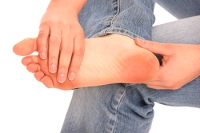
Do you suffer from heel pain when you get up in the morning? If so, you should seek the professional help of your podiatrist and have a proper diagnosis performed. Heel pain can be caused by several different foot-related conditions.
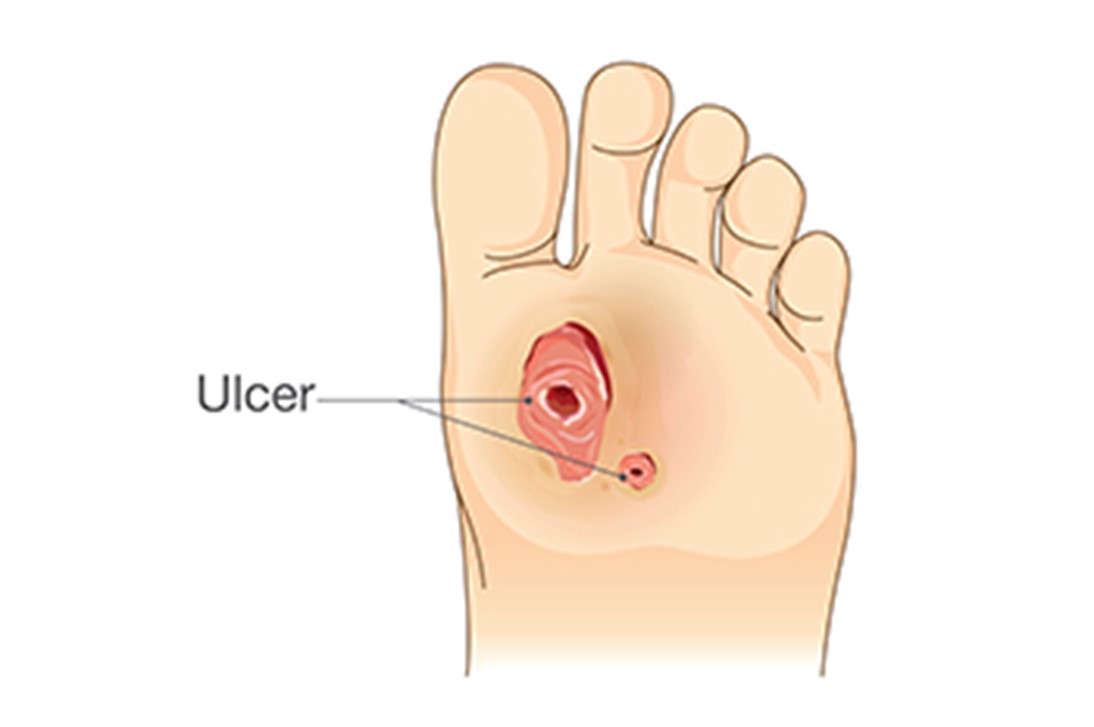 Podiatrists play a vital role in diabetic foot care, offering specialized assistance to prevent foot complications from developing. People with diabetes need to pay close attention to foot care, because high blood sugar can cause damage to nerves and result in poor blood circulation in the feet. When people cannot feel pain in their feet, they may not notice problems such as cuts and ulcers. Wounds are at even higher risk for infection as a result of poor blood flow. Podiatrists help by conducting regular foot exams to identify any issues early on. They also perform neurovascular and musculoskeletal assessments for the feet. Podiatrists educate their patients about proper foot hygiene, nail care, and daily foot checks, as well as recommend suitable footwear to prevent problems. If a patient has foot issues such as calluses, corns, or ingrown toenails, podiatrists can treat them to prevent the issues from worsening. If you have diabetes and suspect foot problems, it is suggested you consult a podiatrist who can help you manage and prevent foot-related complications due to having diabetes.
Diabetic foot care is important in preventing foot ailments such as ulcers. If you are suffering from diabetes or have any other concerns about your feet, contact Brent Harwood, DPM from Southeast Podiatry. Our doctor can provide the care you need to keep you pain-free and on your feet.
Diabetic Foot Care
Diabetes affects millions of people every year. The condition can damage blood vessels in many parts of the body, especially the feet. Because of this, taking care of your feet is essential if you have diabetes, and having a podiatrist help monitor your foot health is highly recommended.
The Importance of Caring for Your Feet
Patients with diabetes should have their doctor monitor their blood levels, as blood sugar levels play such a huge role in diabetic care. Monitoring these levels on a regular basis is highly advised.
It is always best to inform your healthcare professional of any concerns you may have regarding your feet, especially for diabetic patients. Early treatment and routine foot examinations are keys to maintaining proper health, especially because severe complications can arise if proper treatment is not applied.
If you have any questions please feel free to contact our offices located in Fairhope, Brewton, and Atmore, AL. We offer the newest diagnostic and treatment technologies for all your podiatric needs.

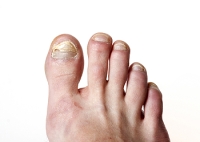
You don't need an excuse to have beautiful nails. Step outside without worrying about the appearance of your feet.
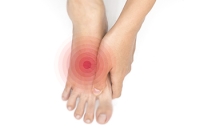
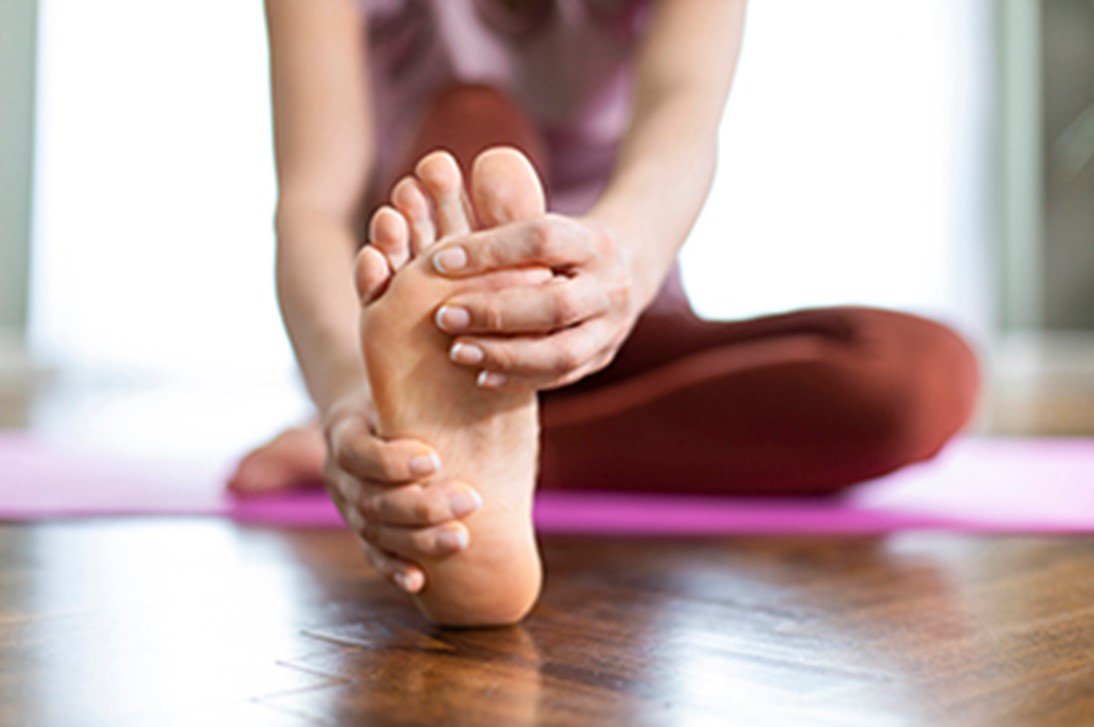 Toe pain can have various causes, and it is necessary to consider a number of possibilities to determine the underlying condition accurately. Cellulitis, a bacterial skin infection, can lead to toe pain accompanied by symptoms like redness, swelling, warmth, and sometimes fever. Cryoglobulinemia, although rare, can result in recurrent skin discoloration, known as palpable purpura, on the lower extremities, often associated with joint pain and kidney issues. Trauma is another common cause, with toe pain following a history of injury, typically displaying corresponding contusion patterns. Warfarin skin necrosis, a rare complication of anticoagulant therapy, may present as painful skin necrosis in areas with accumulated fat during the beginning of warfarin use. Lastly, blue toe syndrome can cause acute, painful cyanotic discoloration in the toes due to an embolism. If you have painful, discolored, or swollen toes and there is no obvious cause, or one that needs attention, it is suggested that you schedule an appointment with a podiatrist for a proper diagnosis and treatment.
Toe pain can disrupt your daily activities. If you have any concerns, contact Brent Harwood, DPM from Southeast Podiatry. Our doctor can provide the care you need to keep you pain-free and on your feet.
What Causes Toe Pain?
Most severe toe pain is caused due to a sports injury, trauma from dropping something heavy on the toe, or bumping into something rigid. Other problems can develop over time for various reasons.
Toe pain can be caused by one or more ailments. The most common include:
When to See a Podiatrist
Diagnosis
In many cases the cause of toe pain is obvious, but in others, a podiatrist may want to use more advanced methods to determine the problem. These can range from simple visual inspections and sensation tests to X-rays and MRI scans. Prior medical history, family medical history, and any recent physical traumatic events will all be taken into consideration for a proper diagnosis.
Treatment
Treatments for toe pain and injuries vary and may include shoe inserts, padding, taping, medicines, injections, and in some cases, surgery. If you believe that you have broken a toe, please see a podiatrist as soon as possible.
If you have any questions please feel free to contact our offices located in Fairhope, Brewton, and Atmore, AL. We offer the newest diagnostic and treatment technologies for all your podiatric needs.

Have your child's feet been examined lately? Healthy feet are happy feet. If your child is complaining of foot pain, it may be a sign of underlying problems.
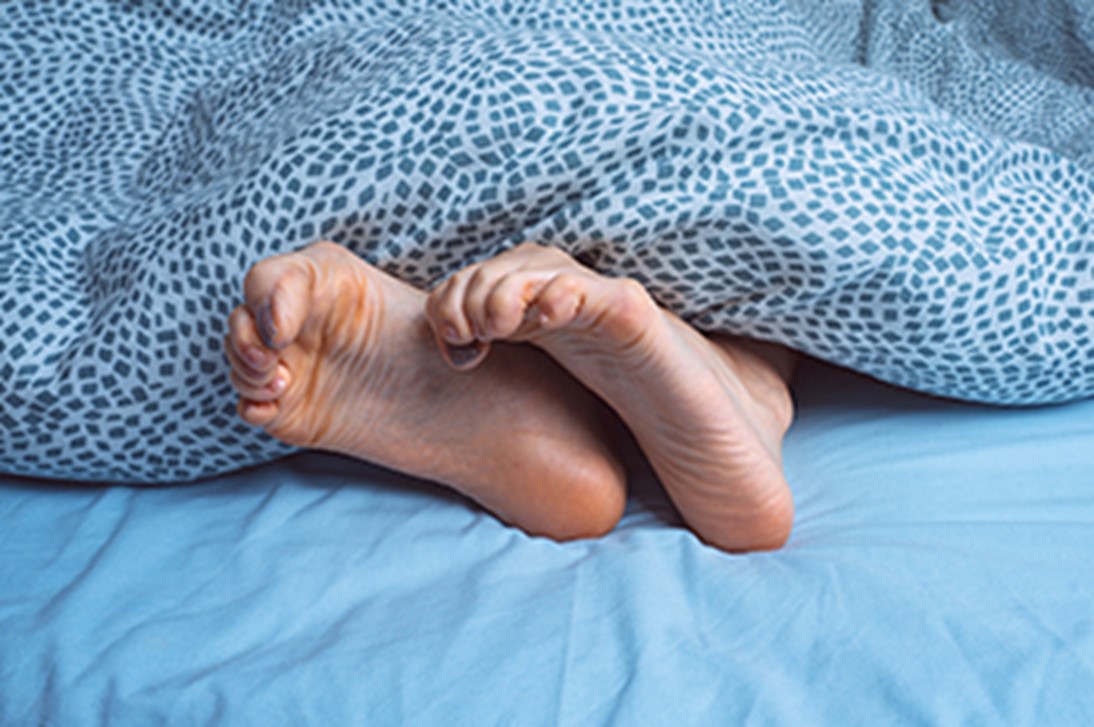 Foot cramps are characterized by involuntary muscle contractions, and commonly occur in the arch, near the toes, or on the upper part of the foot. Various factors contribute to foot cramps, including low potassium, over exercising, dehydration, and ill-fitting footwear. Pushing muscles beyond their usual limits during physical activities, from beginners to top athletes, can lead to muscle spasms and foot cramps. Dehydration can result from diarrhea, vomiting, insufficient water intake, excessive exercise, or overheating. Signs of dehydration can include chills, dry mouth, and concentrated urine. Wearing ill-fitting footwear, particularly overly tight shoes, can impede blood circulation to the foot, causing muscles to cramp. It is essential to replace restrictive footwear with well-fitted alternatives to prevent circulation issues. Lastly, while nerve damage itself does not cause cramping, individuals with diabetes are prone to nerve damage in the feet, and factors like exposure to toxins, genetic disorders, metabolic issues, injuries, or certain medications can contribute to nerve damage. If you suffer from severe or chronic foot cramps, it is suggested that you visit a podiatrist who can determine what the cause is, and suggest appropriate treatment options.
Foot Pain
Foot pain can be extremely painful and debilitating. If you have a foot pain, consult with Brent Harwood, DPM from Southeast Podiatry. Our doctor will assess your condition and provide you with quality treatment.
Causes
Foot pain is a very broad condition that could be caused by one or more ailments. The most common include:
Diagnosis
To figure out the cause of foot pain, podiatrists utilize several different methods. This can range from simple visual inspections and sensation tests to X-rays and MRI scans. Prior medical history, family medical history, and any recent physical traumatic events will all be taken into consideration for a proper diagnosis.
Treatment
Treatment depends upon the cause of the foot pain. Whether it is resting, staying off the foot, or having surgery; podiatrists have a number of treatment options available for foot pain.
If you have any questions please feel free to contact our offices located in Fairhope, Brewton, and Atmore, AL. We offer the newest diagnostic and treatment technologies for all your podiatric needs.

Your feet are covered most of the day. If you're diabetic, periodic screening is important for good health. Numbness is often a sign of diabetic foot and can mask a sore or wound.

Suffering from this type of pain? You may have the foot condition known as Morton's neuroma. Morton's neuroma may develop as a result of ill-fitting footwear and existing foot deformities. We can help.
 Stretching is a vital practice for maintaining the health and flexibility of your feet and overall body. Regular stretching helps keep muscles flexible and strong, which is essential for preserving joint mobility. When muscles become tight and inflexible, it can lead to reduced range of motion, making daily activities challenging and increasing the risk of joint pain, strains, and muscle damage. For instance, sitting for prolonged periods can result in tight hamstrings, hindering leg extension and walking. When suddenly stretched during activities like sports, tight muscles may become injured, compromising joint support, and potentially causing joint injuries. Regular stretching also aids in balance, reducing the risk of falls, especially for individuals with balance issues. If you would like to learn specific exercises to do in your daily routine, it is suggested that you schedule an appointment with a podiatrist who can provide expert advice and take care of any foot issues that arise.
Stretching the feet is a great way to prevent injuries. If you have any concerns with your feet consult with Brent Harwood, DPM from Southeast Podiatry. Our doctor will assess your condition and provide you with quality podiatric treatment.
Stretching the Feet
Being the backbone of the body, the feet carry your entire weight and can easily become overexerted, causing cramps and pain. As with any body part, stretching your feet can serve many benefits. From increasing flexibility to even providing some pain relief, be sure to give your feet a stretch from time to time. This is especially important for athletes or anyone performing aerobic exercises, but anyone experiencing foot pain or is on their feet constantly should also engage in this practice.
Great ways to stretch your feet:
Individuals who tend to their feet by regular stretching every day should be able to minimize foot pain and prevent new problems from arising.
If you have any questions please feel free to contact our offices located in Fairhope, Brewton, and Atmore, AL. We offer the newest diagnostic and treatment technologies for all your podiatric needs.

If left untreated, an ingrown toenail can lead to more serious concerns, such as an infection. Knowing proper nail care can help in the prevention of an ingrown toenail. Give us a call, and get treated!
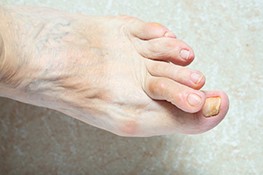 Choosing how to treat a hammertoe, which is a foot deformity, depends on whether the toe can still move and is flexible, or is stiff and fixed. The severity of the deformity also plays a role in deciding whether to opt for surgery. Surgery is considered when there is disabling pain that does not improve with non-surgical options, like taping for a flexible hammertoe, or wearing special shoes for a fixed hammertoe. For flexible hammertoes, soft-tissue procedures are used, while rigid ones might need surgery involving the bones. Different surgical techniques are employed based on whether the deformity is flexible, fixed, or involves a rotated toe. In some cases, shortening the metatarsal bone, which is part of the middle foot, is necessary. If you have a hammertoe that is causing pain and discomfort, it is strongly suggested that you schedule an appointment with a podiatrist for an examination and discussion of treatment options that may benefit you.
Hammertoes can be a painful condition to live with. For more information, contact Brent Harwood, DPM from Southeast Podiatry. Our doctor will answer any of your foot- and ankle-related questions.
Hammertoe
Hammertoe is a foot deformity that occurs due to an imbalance in the muscles, tendons, or ligaments that normally hold the toe straight. It can be caused by the type of shoes you wear, your foot structure, trauma, and certain disease processes.
Symptoms
Risk Factors
Treatment
If you have hammertoe, you should change into a more comfortable shoe that provides enough room for your toes. Exercises such as picking up marbles may strengthen and stretch your toe muscles. Nevertheless, it is important to seek assistance from a podiatrist in order to determine the severity of your hammertoe and see which treatment option will work best for you.
If you have any questions please feel free to contact our offices located in Fairhope, Brewton, and Atmore, AL. We offer the newest diagnostic and treatment technologies for all your podiatric needs.
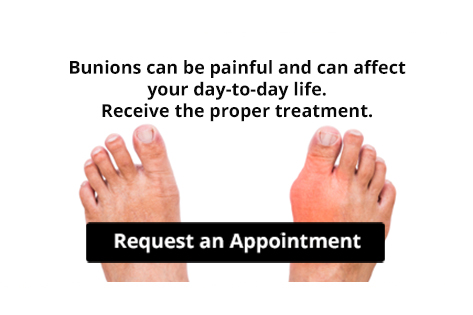
Have you noticed a bony protrusion on the side of your big toe? If so, you may have developed the foot condition known as a bunion. Don't let bunions interfere with your daily activities.
 Pregnancy, with its myriad changes, often brings about discomfort, and foot pain is a common concern for many expectant mothers. Fortunately, several strategies can help alleviate this discomfort. Opting for comfortable, supportive footwear is vital, as the body undergoes weight changes that can impact foot structure. Regularly elevating the feet, especially after extended periods of standing, can help to reduce swelling and promote better circulation. Gentle stretching exercises, such as ankle circles and toe flexes, can offer relief and maintain flexibility. Adequate hydration is essential to prevent water retention, a common contributor to foot swelling. Cold compresses or foot massages may provide soothing relief while maintaining a healthy weight. Engaging in low-impact exercises, like swimming, can alleviate pressure on the feet. Regular prenatal checkups ensure any underlying conditions that contribute to foot pain are addressed promptly. If you are experiencing foot pain during your pregnancy, it is suggested that you confer with a podiatrist who can offer you effective relief techniques.
Pregnant women with swollen feet can be treated with a variety of different methods that are readily available. For more information about other cures for swollen feet during pregnancy, consult with Brent Harwood, DPM from Southeast Podiatry. Our doctor will attend to all of your foot needs.
What Foot Problems Can Arise During Pregnancy?
One problem that can occur is overpronation, which occurs when the arch of the foot flattens and tends to roll inward. This can cause pain and discomfort in your heels while you’re walking or even just standing up, trying to support your baby.
Another problem is edema, or swelling in the extremities. This often affects the feet during pregnancy but tends to occur in the later stages.
How Can I Keep My Feet Healthy During Pregnancy?
If you have any questions please feel free to contact our offices located in Fairhope, Brewton, and Atmore, AL. We offer the newest diagnostic and treatment technologies for all your podiatric needs.