Fairhope and Atmore
Phone (251) 928-6768




You don't need an excuse to have beautiful nails. Step outside without worrying about the appearance of your feet.

Metatarsalgia is pain and inflammation in the ball of the foot, often where the metatarsal bones are located. It typically develops when there is excessive pressure on the front of the foot while walking, running, or standing. Common causes include high-impact activities, improper footwear, foot deformities, or abnormal weight distribution. People with metatarsalgia may feel a sharp, aching, or burning sensation in the ball of the foot that worsens with activity and improves with rest. It can also feel like walking on a pebble or having a bruised area under the foot. A podiatrist can evaluate foot mechanics, identify pressure points, and provide treatment such as orthotic support or gait correction to reduce pain. If you have ongoing forefoot discomfort, it is suggested that you consult a podiatrist for effective relief solutions.
Foot Pain
Foot pain can be extremely painful and debilitating. If you have a foot pain, consult with Brent Harwood, DPM from Southeast Podiatry. Our doctor will assess your condition and provide you with quality foot and ankle treatment.
Causes
Foot pain is a very broad condition that could be caused by one or more ailments. The most common include:
Diagnosis
To figure out the cause of foot pain, podiatrists utilize several different methods. This can range from simple visual inspections and sensation tests to X-rays and MRI scans. Prior medical history, family medical history, and any recent physical traumatic events will all be taken into consideration for a proper diagnosis.
Treatment
Treatment depends upon the cause of the foot pain. Whether it is resting, staying off the foot, or having surgery; podiatrists have a number of treatment options available for foot pain.
If you have any questions, please feel free to contact one of our offices located in Fairhope and Atmore, AL . We offer the newest diagnostic and treatment technologies for all your foot care needs.

Have your child's feet been examined lately? Healthy feet are happy feet. If your child is complaining of foot pain, it may be a sign of underlying problems.

The Achilles tendon is the strong band of tissue that connects the calf muscles to the heel bone, and helps the foot push off during walking and running. Injuries to this tendon may develop from overuse, sudden strain, tight calf muscles, or long-term degeneration. Many people notice pain, swelling, stiffness, or tenderness near the back of the heel, especially during activity or after rest. In some cases, the tendon may partially tear or weaken, over time. Imaging studies can help a podiatrist identify the exact problem and determine how severe the injury has become. Ultrasound and magnetic resonance imaging, also called MRI scans, allow detailed views of the tendon and surrounding tissue. These tests help guide treatment, which may include bracing, orthotics, targeted exercises, anti-inflammatory care, or surgery, for more advanced injuries. Early diagnosis can improve healing and help prevent rupture. If Achilles tendon pain continues to worsen or limit movement, it is suggested that you visit a podiatrist for an evaluation and appropriate treatment.
Achilles tendon injuries need immediate attention to avoid future complications. If you have any concerns, contact Brent Harwood, DPM of Southeast Podiatry. Our doctor can provide the care you need to keep you pain-free and on your feet.
What Is the Achilles Tendon?
The Achilles tendon is a tendon that connects the lower leg muscles and calf to the heel of the foot. It is the strongest tendon in the human body and is essential for making movement possible. Because this tendon is such an integral part of the body, any injuries to it can create immense difficulties and should immediately be presented to a doctor.
What Are the Symptoms of an Achilles Tendon Injury?
There are various types of injuries that can affect the Achilles tendon. The two most common injuries are Achilles tendinitis and ruptures of the tendon.
Achilles Tendinitis Symptoms
Rupture Symptoms
Treatment and Prevention
Achilles tendon injuries are diagnosed by a thorough physical evaluation, which can include an MRI. Treatment involves rest, physical therapy, and in some cases, surgery. However, various preventative measures can be taken to avoid these injuries, such as:
If you have any questions please feel free to contact one of our offices located in Fairhope and Atmore, AL . We offer the newest diagnostic tools and technology to treat your foot and ankle needs.

Suffering from this type of pain? You may have the foot condition known as Morton's neuroma. Morton's neuroma may develop as a result of ill-fitting footwear and existing foot deformities. We can help.
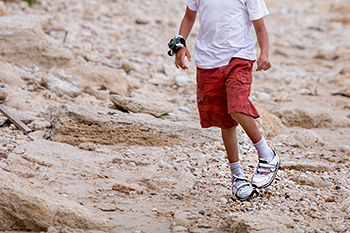
Clubfoot is a congenital foot deformity in which the foot is twisted inward and the toes point downward. It may affect one or both feet and is present at birth. This condition is often linked to genetic factors and differences in muscle and tendon development. Symptoms include a visible inward position of the foot, limited range of motion, and stiffness in the affected area. Early care is important to support proper alignment and function as a child grows. A podiatrist can assess the condition, guide treatment options, and monitor progress to improve mobility and comfort. With timely care, many children achieve strong and functional movement. If your child has been born with symptoms of clubfoot, it is strongly suggested that you promptly schedule a visit with a podiatrist to support healthy foot development.
Congenital foot problems require immediate attention to avoid future complications. If you have any concerns, contact Brent Harwood, DPM of Southeast Podiatry. Our doctor can provide the care you need to keep you pain-free and on your feet.
Congenital foot problems are deformities affecting the feet, toes, and/or ankles that children are born with. Some of these conditions have a genetic cause while others just happen. Some specific foot ailments that children may be born with include clubfeet, polydactyly/macrodactyly, and cleft foot. There are several other foot anomalies that can occur congenitally. What all of these conditions have in common is that a child may experience difficulty walking or performing everyday activities, as well as trouble finding footwear that fits their foot deformity. Some of these conditions are more serious than others. Consulting with a podiatrist as early as possible will help in properly diagnosing a child’s foot condition while getting the necessary treatment underway.
What are Causes of Congenital Foot Problem?
A congenital foot problem is one that happens to a child at birth. These conditions can be caused by a genetic predisposition, developmental or positional abnormalities during gestation, or with no known cause.
What are Symptoms of Congenital Foot Problems?
Symptoms vary by the congenital condition. Symptoms may consist of the following:
Treatment and Prevention
While there is nothing one can do to prevent congenital foot problems, raising awareness and receiving neonatal screenings are important. Early detection by taking your child to a podiatrist leads to the best outcome possible.
If you have any questions, please feel free to contact one of our offices located in Fairhope and Atmore, AL . We offer the newest diagnostic and treatment technologies for all your foot care needs.

If left untreated, an ingrown toenail can lead to more serious concerns, such as an infection. Knowing proper nail care can help in the prevention of an ingrown toenail. Give us a call, and get treated!

An isolated medial malleolar fracture is a break in the inner part of the ankle, at the bony bump on the inside called the medial malleolus. The word isolated means the fracture occurs on its own, without other parts of the ankle being broken. This injury often happens from a sudden twist, fall, or direct hit during sports or everyday movement. Common symptoms include pain, swelling, bruising, and trouble putting weight on the foot. Even though the break is in one area, it can still affect balance and walking. A podiatrist can diagnose the injury with an exam and imaging, then guide treatment such as casting, bracing, or surgery, if needed. This type of doctor also monitors healing to help restore movement safely. If you have ankle pain after an injury, it is suggested that you seek care from a podiatrist.
test

Have you noticed a bony protrusion on the side of your big toe? If so, you may have developed the foot condition known as a bunion. Don't let bunions interfere with your daily activities.

Gout is often thought of as a sudden, painful attack in the big toe, but it is more than an occasional flare. It is an ongoing condition that can affect foot health over time. Gout develops when uric acid builds up and forms crystals in the joints, leading to inflammation, redness, and severe pain. While attacks may come and go, repeated episodes can lead to joint damage, stiffness, and changes in foot shape. Walking and daily activities can become more difficult if the condition is not managed well. Over time, firm deposits may form under the skin surrounding joints, which can add to discomfort. Early care and proper treatment can help control symptoms and reduce long-term effects. If you have recurring foot pain, swelling, or sudden joint discomfort, it is suggested you schedule an appointment with a podiatrist for a proper diagnosis and appropriate treatment.
Gout is a painful condition that can be treated. If you are seeking treatment, contact Brent Harwood, DPM from Southeast Podiatry. Our doctor will treat your foot and ankle needs.
What Is Gout?
Gout is a form of arthritis that is characterized by sudden, severe attacks of pain, redness, and tenderness in the joints. The condition usually affects the joint at the base of the big toe. A gout attack can occur at any random time, such as the middle of the night while you are asleep.
Symptoms
Risk Factors
Prior to visiting your podiatrist to receive treatment for gout, there are a few things you should do beforehand. If you have gout you should write down your symptoms--including when they started and how often you experience them, important medical information you may have, and any questions you may have. Writing down these three things will help your podiatrist in assessing your specific situation so that he or she may provide the best route of treatment for you.
If you have any questions, please feel free to contact one of our offices located in Fairhope and Atmore, AL . We offer the newest diagnostic and treatment technologies for all your foot care needs.

Gout is a painful, inflammatory form of arthritis. Those affected will typically feel an intense stiffness in the joints of their feet, particularly in the big toe. Schedule a visit to learn about how gout can be managed and treated.

Foot pain can sometimes be caused by rheumatoid arthritis or gout, each affecting the joints in different ways. Rheumatoid arthritis is an autoimmune condition that often causes pain, swelling, and stiffness in multiple joints. The joints may feel warm, appear swollen, and become increasingly stiff, especially in the morning or after rest. Over time, joint shape may change, leading to deformities and difficulty walking. Gout typically presents as a sudden and intense attack of pain, often affecting the big toe. The joint may become red, hot, and extremely tender, sometimes developing overnight. This occurs due to a buildup of uric acid crystals in the joint. A podiatrist can help distinguish between these conditions through examination and testing. They can then coordinate care that may include medication, supportive footwear, and custom orthotics to protect the joints. If you have foot pain from rheumatoid arthritis or gout, it is suggested that you make an appointment with a podiatrist.
Because RA affects more than just your joints, including the joints in your feet and ankles, it is important to seek early diagnosis from your podiatrist if you feel like the pain in your feet might be caused by RA. For more information, contact Brent Harwood, DPM of Southeast Podiatry. Our doctor will assist you with all of your podiatric concerns.
What Is Rheumatoid Arthritis?
Rheumatoid Arthritis (RA) is an autoimmune disorder in which the body’s own immune system attacks the membranes surrounding the joints. Inflammation of the lining and eventually the destruction of the joint’s cartilage and bone occur, causing severe pain and immobility.
Rheumatoid Arthritis of the Feet
Although RA usually attacks multiple bones and joints throughout the entire body, almost 90 percent of cases result in pain in the foot or ankle area.
Symptoms
Diagnosis
Quick diagnosis of RA in the feet is important so that the podiatrist can treat the area effectively. Your doctor will ask you about your medical history, occupation, and lifestyle to determine the origin of the condition. Rheumatoid Factor tests help to determine if someone is affected by the disease.
If you have any questions, please feel free to contact one of our offices located in Fairhope and Atmore, AL . We offer the newest diagnostic and treatment technologies for all your foot care needs.

Plantar warts are small growths that develop on parts of the feet that bear weight. They're typically found on the bottom of the foot. Don't live with plantar warts, and call us today!

Onychomycosis, a fungal infection of the nail that leads to thickening, discoloration, and brittle changes, is being approached with greater accuracy and more individualized care. Evaluation often includes lab testing, such as nail sampling with a microscopic evaluation or culture to confirm fungus before care begins, helping to avoid unnecessary or ineffective medications. Care options have also expanded beyond standard oral medications. Newer topical treatments are designed to better reach the nail bed, improving results for some patients. In certain cases, combining methods may offer better outcomes and lower the chance of recurrence. Daily foot care, keeping nails trimmed, and choosing breathable footwear all support long-term nail health. When nail changes persist or worsen despite home care, it is suggested that you see a podiatrist who can guide you toward the most appropriate next steps.
For more information about treatment, contact Brent Harwood, DPM of Southeast Podiatry. Our doctor can provide the care you need to keep you pain-free and on your feet.
Toenail Fungus Treatment
Toenail fungus is a condition that affects many people and can be especially hard to get rid of. Fortunately, there are several methods to go about treating and avoiding it.
Antifungals & Deterrence
Oral antifungal medicine has been shown to be effective in many cases. It is important to consult with a podiatrist to determine the proper regiment for you, or potentially explore other options.
Applying foot powder on the feet and shoes helps keep the feet free of moisture and sweat.
Sandals or open toed shoes – Wearing these will allow air movement and help keep feet dry. They also expose your feet to light, which fungus cannot tolerate. Socks with moisture wicking material also help as well.
If you have any questions please contact one of our offices located in Fairhope and Atmore, AL . We offer the newest diagnostic and treatment technologies for all your foot and ankle needs.