Fairhope and Atmore
Phone (251) 928-6768



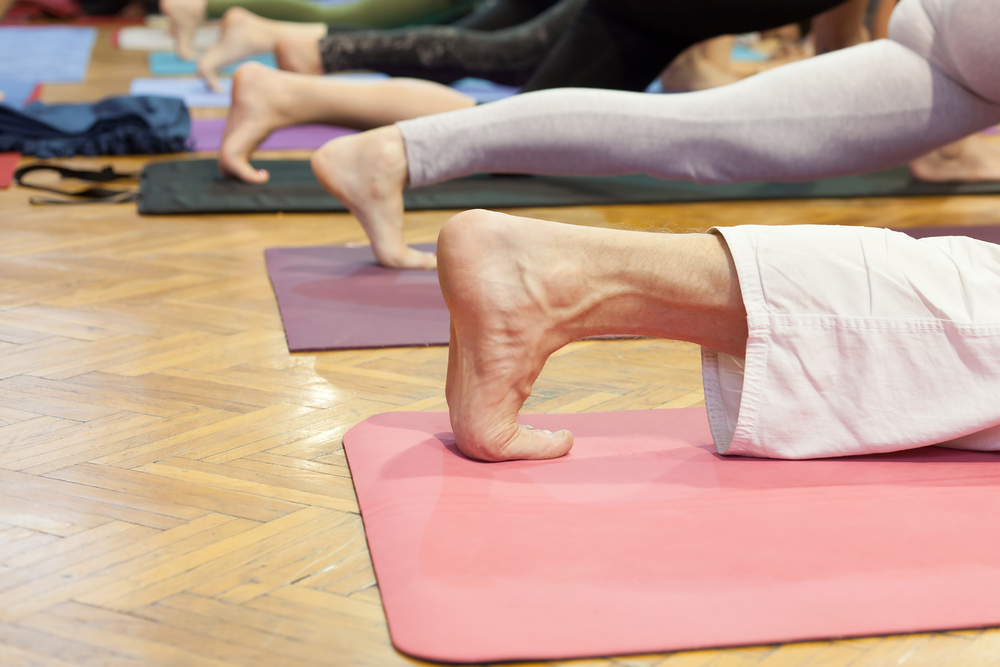 An effective stretch that benefits the bottom of the foot is known as a toe squat. It is known to strengthen the plantar fascia, which is the portion of tissue that is found on the sole of the foot. It connects the heel to the toes and is instrumental in performing daily activities that include walking and running. This stretch is performed by keeping your feet together as you are sitting on your heels. As the toes are tucked under, it is important to remain on the balls of the feet and avoid the tips of the toes. Breathing with the posture may intensify the stretch, as it is being held for two to three minutes. People who practice this stretch find it is beneficial to slowly release the position, and this can help to protect the bottom of the foot. If you would like to learn more about how to practice effective foot stretches, please speak with a podiatrist.
Stretching the feet is a great way to prevent injuries. If you have any concerns with your feet consult with Brent Harwood, DPM from Southeast Podiatry. Our doctor will assess your condition and provide you with quality podiatric treatment.
Stretching the Feet
Being the backbone of the body, the feet carry your entire weight and can easily become overexerted, causing cramps and pain. As with any body part, stretching your feet can serve many benefits. From increasing flexibility to even providing some pain relief, be sure to give your feet a stretch from time to time. This is especially important for athletes or anyone performing aerobic exercises, but anyone experiencing foot pain or is on their feet constantly should also engage in this practice.
Great ways to stretch your feet:
Individuals who tend to their feet by regular stretching every day should be able to minimize foot pain and prevent new problems from arising.
If you have any questions, please feel free to contact one of our offices located in Fairhope, Brewton, and Atmore, AL. We offer the newest diagnostic and treatment technologies for all your foot care needs.

Have your child's feet been examined lately? Healthy feet are happy feet. If your child is complaining of foot pain, it may be a sign of underlying problems.

Your feet are covered most of the day. If you're diabetic, periodic screening is important for good health. Numbness is often a sign of diabetic foot and can mask a sore or wound.
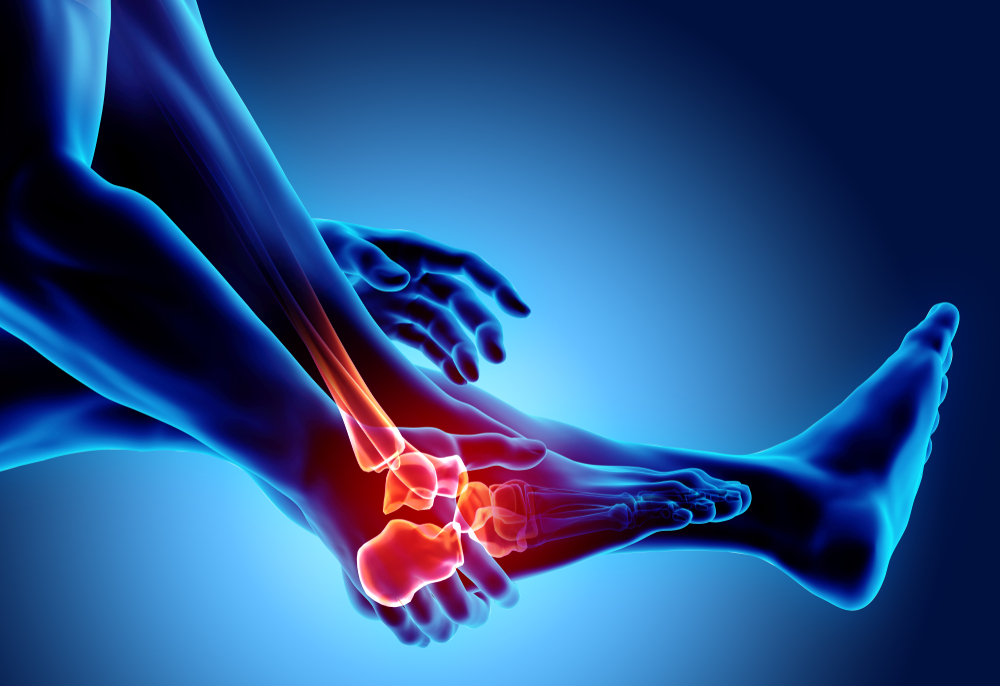 Rheumatoid arthritis (RA) is an autoimmune disease in which the body’s immune system attacks the otherwise healthy cells that make up the linings of joints. Because each foot contains 33 joints, the feet, as well as the ankles, are often affected. RA can make other foot and ankle conditions more likely to occur. One such condition is tarsal tunnel syndrome, in which the posterior tibial nerve is compressed or damaged, causing burning pain, numbness, and tingling in the affected foot. Tarsal tunnel syndrome is frequently seen in people with RA. If you have RA, it is suggested that you be under the care of a podiatrist who can monitor the health of your feet and treat any problems as they arise.
Tarsal tunnel syndrome can be very uncomfortable to live with. If you are experiencing tarsal tunnel syndrome, contact Brent Harwood, DPM from Southeast Podiatry. Our doctor can provide the care you need to keep you pain-free and on your feet.
Tarsal Tunnel Syndrome
Tarsal tunnel syndrome, which can also be called tibial nerve dysfunction, is an uncommon condition of misfiring peripheral nerves in the foot. The tibial nerve is the peripheral nerve in the leg responsible for sensation and movement of the foot and calf muscles. In tarsal tunnel syndrome, the tibial nerve is damaged, causing problems with movement and feeling in the foot of the affected leg.
Common Cause of Tarsal Tunnel Syndrome
The Effects of Tarsal Tunnel Syndrome
A physical exam of the leg can help identify the presence of tarsal tunnel syndrome. Medical tests, such as a nerve biopsy, are also used to diagnose the condition. Patients may receive physical therapy and prescriptive medication. In extreme cases, some may require surgery.
If you have any questions, please feel free to contact one of our offices located in Fairhope, Brewton, and Atmore, AL. We offer the newest diagnostic and treatment technologies for all your foot care needs.
Suffering from this type of pain? You may have the foot condition known as Morton's neuroma. Morton's neuroma may develop as a result of ill-fitting footwear and existing foot deformities. We can help.
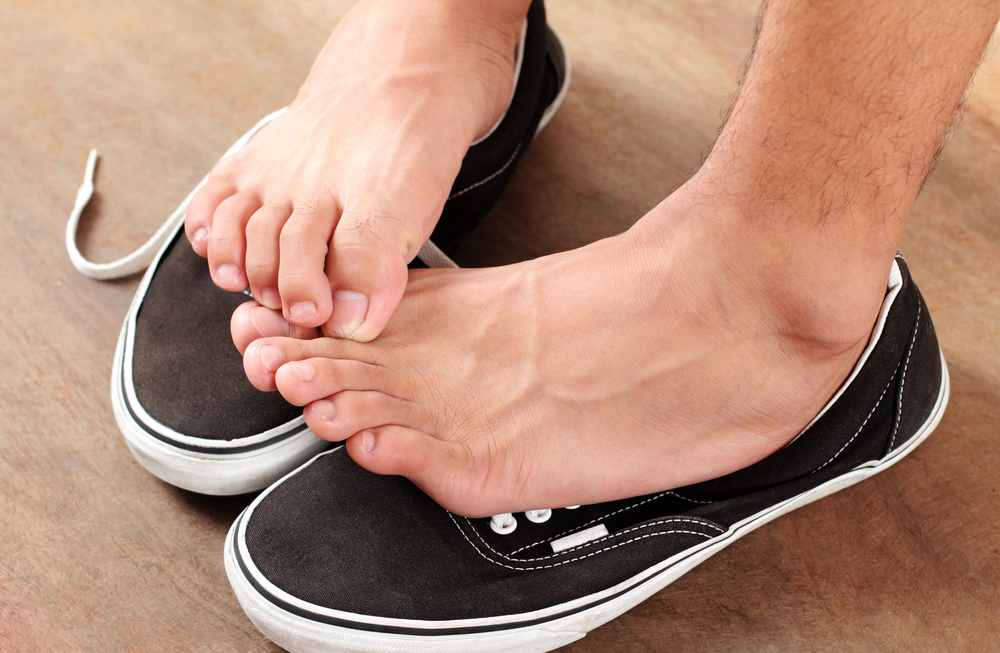 Tinea Pedis, more commonly known as athlete’s foot, is a fungal infection that affects the feet and toes. The fungi that cause athlete’s foot thrive in warm and moist environments. The condition is very contagious and often spreads in areas such as communal locker rooms, pools, showers, and even sweaty footwear. Common signs of athlete’s foot include scaling, redness, itchiness, and in severe cases, fissuring (or deep cracking) of the skin. Since athlete’s foot can spread easily, patients who believe they have this condition would be wise to consult with a podiatrist for a proper diagnosis and treatment plan. The infection will likely need to be treated with antifungal medications, and measures may need to be implemented to keep the feet clean and dry.
Athlete’s Foot
Athlete’s foot is often an uncomfortable condition to experience. Thankfully, podiatrists specialize in treating athlete’s foot and offer the best treatment options. If you have any questions about athlete’s foot, consult with Brent Harwood, DPM from Southeast Podiatry. Our doctor will assess your condition and provide you with quality treatment.
What Is Athlete’s Foot?
Tinea pedis, more commonly known as athlete’s foot, is a non-serious and common fungal infection of the foot. Athlete’s foot is contagious and can be contracted by touching someone who has it or infected surfaces. The most common places contaminated by it are public showers, locker rooms, and swimming pools. Once contracted, it grows on feet that are left inside moist, dark, and warm shoes and socks.
Prevention
The most effective ways to prevent athlete’s foot include:
Symptoms
Athlete’s foot initially occurs as a rash between the toes. However, if left undiagnosed, it can spread to the sides and bottom of the feet, toenails, and if touched by hand, the hands themselves. Symptoms include:
Diagnosis and Treatment
Diagnosis is quick and easy. Skin samples will be taken and either viewed under a microscope or sent to a lab for testing. Sometimes, a podiatrist can diagnose it based on simply looking at it. Once confirmed, treatment options include oral and topical antifungal medications.
If you have any questions, please feel free to contact one of our offices located in Fairhope, Brewton, and Atmore, AL. We offer the newest diagnostic and treatment technologies for all your foot care needs.

If left untreated, an ingrown toenail can lead to more serious concerns, such as an infection. Knowing proper nail care can help in the prevention of an ingrown toenail. Give us a call, and get treated!
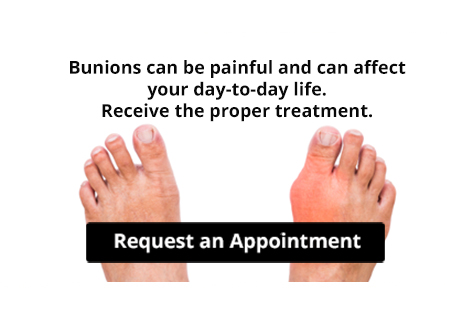
Have you noticed a bony protrusion on the side of your big toe? If so, you may have developed the foot condition known as a bunion. Don't let bunions interfere with your daily activities.
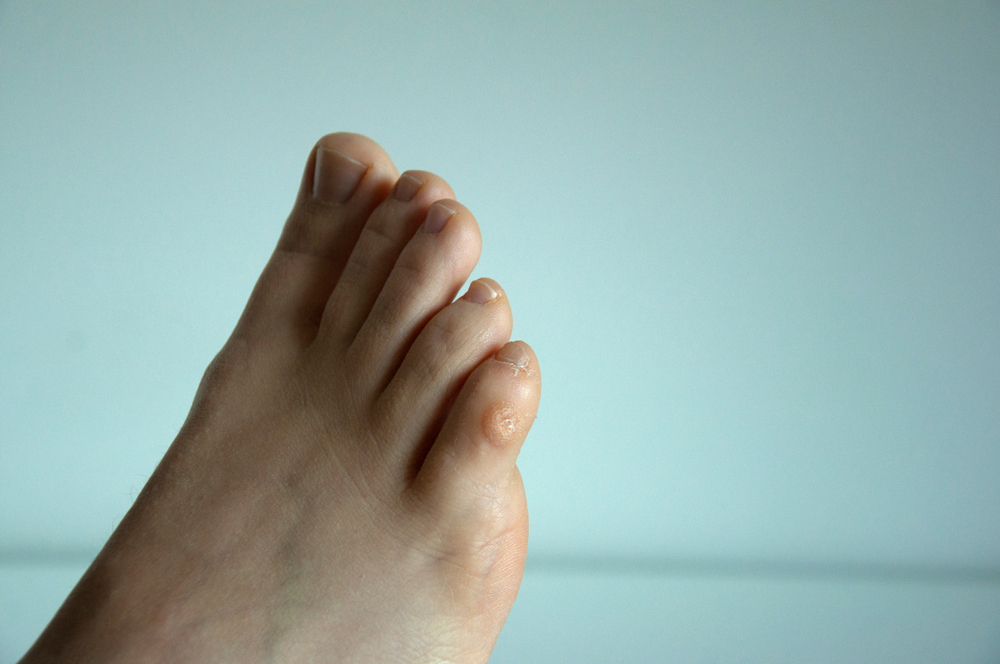 Corns are small, usually circular areas of dry, thickened, hardened skin. They often occur on or between the toes and are caused by excessive friction and pressure over the affected area. Corns on the pinky toes can be particularly uncomfortable, as the pinkies tend to rub against closed-toe shoes while walking. Treatments for pinky toe corns include soaking the feet and rubbing the area with a pumice stone, wearing medicated pads over the corns, and switching to wider and more comfortable footwear. Your podiatrist can also help by shaving or removing the corns. If you have corns that are bothering you, schedule an appointment with a podiatrist near you.
Corns can make walking very painful and should be treated immediately. If you have questions regarding your feet and ankles, contact Brent Harwood, DPM from Southeast Podiatry. Our doctor will treat your foot and ankle needs.
Corns: What Are They? And How Do You Get Rid of Them?
Corns are thickened areas on the skin that can become painful. They are caused by excessive pressure and friction on the skin. Corns press into the deeper layers of the skin and are usually round in shape.
Ways to Prevent Corns
There are many ways to get rid of painful corns such as:
Treating Corns
Although most corns slowly disappear when the friction or pressure stops, this isn’t always the case. Consult with your podiatrist to determine the best treatment option for your case of corns.
If you have any questions, please feel free to contact one of our offices located in Fairhope, Brewton, and Atmore, AL. We offer the newest diagnostic and treatment technologies for all your foot care needs.
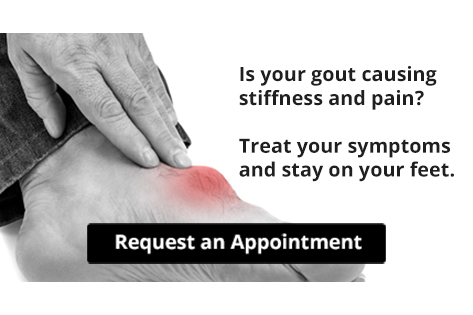
Gout is a painful, inflammatory form of arthritis. Those affected will typically feel an intense stiffness in the joints of their feet, particularly in the big toe. Schedule a visit to learn about how gout can be managed and treated.
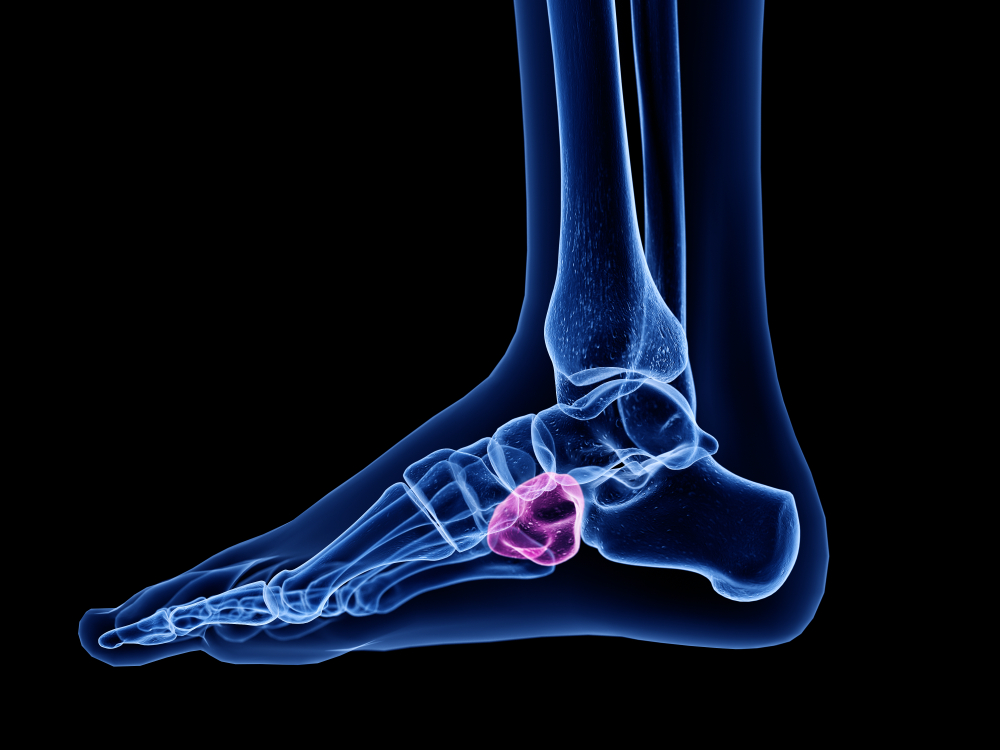 Cuboid syndrome is a condition that is caused by a partial dislocation of the cuboid bone, located in the center of the foot. When this bone is knocked out of place during an injury, it can cause symptoms such as pain along the outside of the foot, swelling, sensitivity, difficulty walking, and a reduced range of motion. Cuboid syndrome is most frequently caused by repetitive overuse during athletic activities, like tennis, basketball, or dancing. When excessive stress is placed on the feet over and over, cuboid syndrome is more likely to occur. This condition is often associated with sprained ankles. Having altered foot biomechanics, a pronated gait,or a tendency to wear ill-fitting shoes can also increase your risk of injuring the cuboid bone. If you are experiencing the symptoms of cuboid syndrome, it is suggested that you seek the care of a podiatrist.
Cuboid syndrome, also known as cuboid subluxation, occurs when the joints and ligaments near the cuboid bone in the foot become torn. If you have cuboid syndrome, consult with Brent Harwood, DPM from Southeast Podiatry. Our doctor will assess your condition and provide you with quality podiatric treatment.
Cuboid syndrome is a common cause of lateral foot pain, which is pain on the outside of the foot. The condition may happen suddenly due to an ankle sprain, or it may develop slowly overtime from repetitive tension through the bone and surrounding structures.
Causes
The most common causes of cuboid syndrome include:
Symptoms
A common symptom of cuboid syndrome is pain along the outside of the foot which can be felt in the ankle and toes. This pain may create walking difficulties and may cause those with the condition to walk with a limp.
Diagnosis
Diagnosis of cuboid syndrome is often difficult, and it is often misdiagnosed. X-rays, MRIs and CT scans often fail to properly show the cuboid subluxation. Although there isn’t a specific test used to diagnose cuboid syndrome, your podiatrist will usually check if pain is felt while pressing firmly on the cuboid bone of your foot.
Treatment
Just as the range of causes varies widely, so do treatments. Some more common treatments are ice therapy, rest, exercise, taping, and orthotics.
If you have any questions, please feel free to contact one of our offices located in Fairhope, Brewton, and Atmore, AL. We offer the newest diagnostic and treatment technologies for all your foot care needs.

Plantar warts are small growths that develop on parts of the feet that bear weight. They're typically found on the bottom of the foot. Don't live with plantar warts, and call us today!
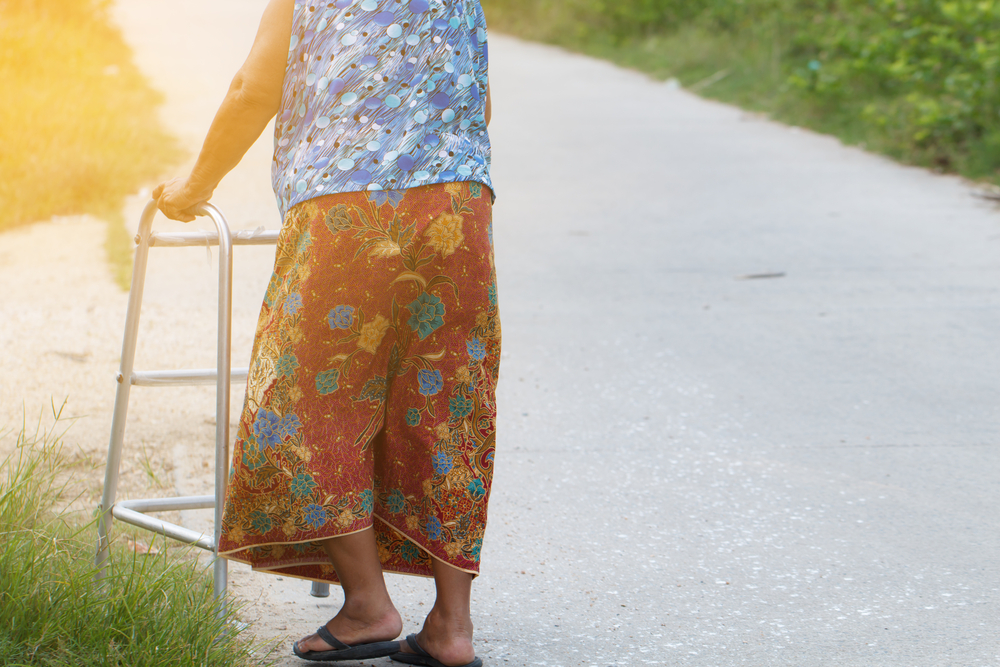 One of the most common causes of serious injury in the elderly is falling. Among the reasons are chronic health conditions such as neuropathy (or numbness) in the feet, decreased bone density, being overweight, and reduced strength. In addition, certain medications and medical procedures can contribute to a general loss of balance. Falls at home can be prevented by making a few simple changes, such as removing throw rugs and loose carpeting, installing handrails, and wearing shoes with non-skid soles on slippery floors in your kitchen and bathrooms. Other measures include exercising to increase strength and improve balance, adequately lighting hallways, and removing clutter that is easy to trip over. Further, if your feet are frequently numb or it is painful to walk, falling may be a threat to your health. It may be a good idea to make an appointment with a podiatrist to evaluate your condition and discuss treatment options.
Preventing falls among the elderly is very important. If you are older and have fallen or fear that you are prone to falling, consult with Brent Harwood, DPM from Southeast Podiatry. Our doctor will assess your condition and provide you with quality advice and care.
Every 11 seconds, an elderly American is being treated in an emergency room for a fall related injury. Falls are the leading cause of head and hip injuries for those 65 and older. Due to decreases in strength, balance, senses, and lack of awareness, elderly persons are very susceptible to falling. Thankfully, there are a number of things older persons can do to prevent falls.
How to Prevent Falls
Some effective methods that older persons can do to prevent falls include:
Falling can be a traumatic and embarrassing experience for elderly persons; this can make them less willing to leave the house, and less willing to talk to someone about their fears of falling. Doing such things, however, will increase the likelihood of tripping or losing one’s balance. Knowing the causes of falling and how to prevent them is the best way to mitigate the risk of serious injury.
If you have any questions, please feel free to contact one of our offices located in Fairhope, Brewton, and Atmore, AL. We offer the newest diagnostic and treatment technologies for all your foot care needs.
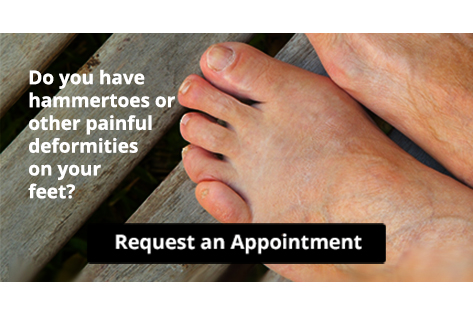
Painful deformities, such as hammertoes, can be treated. Stop living with foot pain, and have beautiful feet again!