Fairhope and Atmore
Phone (251) 928-6768



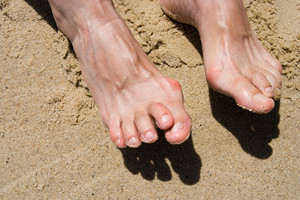 The foot condition that is known as hammertoe can cause severe pain and it may even make it difficult to wear shoes. It causes the middle toe to bend downward at the joint, which can push against the adjoining toes. A common occurrence of this condition can be from wearing shoes that do not have adequate room for the toes to move freely in. In severe cases, calluses and corns may form on top of the extended toe joints as a result of excess friction, and this can add to the discomfort of this foot ailment. Mild relief may be found when the affected toe is protected by a cushioned pad and this may alleviate a portion of the pressure as daily activities are performed. If you have developed hammertoe it is strongly advised that you seek the counsel of a podiatrist who can help to determine the best course of treatment for you, which may include surgery that can permanently straighten the toe.
Hammertoe
Hammertoes can be a painful condition to live with. For more information, contact Brent Harwood, DPM from Southeast Podiatry. Our doctor will answer any of your foot- and ankle-related questions.
Hammertoe is a foot deformity that affects the joints of the second, third, fourth, or fifth toes of your feet. It is a painful foot condition in which these toes curl and arch up, which can often lead to pain when wearing footwear.
Symptoms
Causes
Genetics – People who are genetically predisposed to hammertoe are often more susceptible
Arthritis – Because arthritis affects the joints in your toes, further deformities stemming from arthritis can occur
Trauma – Direct trauma to the toes could potentially lead to hammertoe
Ill-fitting shoes – Undue pressure on the front of the toes from ill-fitting shoes can potentially lead to the development of hammertoe
Treatment
Orthotics – Custom made inserts can be used to help relieve pressure placed on the toes and therefore relieve some of the pain associated with it
Medications – Oral medications such as anti-inflammatories or NSAIDs could be used to treat the pain and inflammation hammertoes causes. Injections of corticosteroids are also sometimes used
Surgery – In more severe cases where the hammertoes have become more rigid, foot surgery is a potential option
If you have any questions please contact one of our offices located in Fairhope, Brewton, and Atmore, AL . We offer the newest diagnostic and treatment technologies for all your foot and ankle needs.

Do you suffer from heel pain when you get up in the morning? If so, you should seek the professional help of your podiatrist and have a proper diagnosis performed. Heel pain can be caused by several different foot-related conditions.
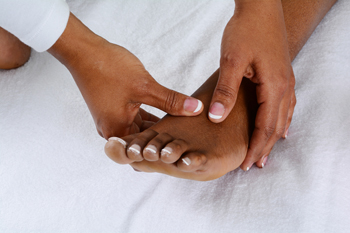 Warts, which can grow throughout the body, are outgrowths on the skin that are caused by human papillomavirus (HPV). Warts can be very contagious, and they can spread through skin-to-skin contact or through sharing personal items. Plantar warts grow on the bottom of the feet and usually have tiny black dots in them. Generally, warts disappear over time, but it may take months for them to do so. While plantar warts are usually harmless, they can be very painful. There are a variety of treatment options for warts that are causing pain, including chemical treatments and lasers. Some podiatrists may even elect to surgically remove warts that have become a problem. If you are experiencing painful plantar warts, make sure to discuss with a podiatrist which treatment options may be right for you.
Plantar warts can be very uncomfortable. If you need your feet checked, contact Brent Harwood, DPM from Southeast Podiatry. Our doctor will assist you with all of your foot care needs.
About Plantar Warts
Plantar warts are the result of HPV, or human papillomavirus, getting into open wounds on the feet. They are mostly found on the heels or balls of the feet.
While plantar warts are generally harmless, those experiencing excessive pain or those suffering from diabetes or a compromised immune system require immediate medical care. Plantar warts are easily diagnosed, usually through scraping off a bit of rough skin or by getting a biopsy.
Symptoms
Treatment
To help prevent developing plantar warts, avoid walking barefoot over abrasive surfaces that can cause cuts or wounds for HPV to get into. Avoiding direct contact with other warts, as well as not picking or rubbing existing warts, can help prevent the further spread of plantar warts. However, if you think you have developed plantar warts, speak to your podiatrist. He or she can diagnose the warts on your feet and recommend the appropriate treatment options.
If you have any questions please feel free to contact one of our offices located in Fairhope, Brewton, and Atmore, AL . We offer the newest diagnostic and treatment technologies for all your foot care needs.
Read more about All About Plantar Warts
You don't need an excuse to have beautiful nails. Step outside without worrying about the appearance of your feet.
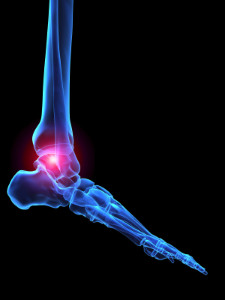 Many patients are affected by rheumatoid arthritis in the feet. Some of the symptoms that are associated with this condition can include severe joint pain, swelling, and the feet may feel stiff. Research has indicated that exercise may significantly contribute to managing a portion of the pain that could come from this ailment. It may be helpful to practice strength training, in addition to cycling. Patients may feel better when extra body weight is lost, as this is often helpful in reducing pressure on the feet and . Pain in the feet and may be indicative of rheumatoid arthritis. If you feel you may have developed this condition, please speak with a podiatrist as quickly as possible.
Because RA affects more than just your joints, including the joints in your feet and , it is important to seek early diagnosis from your podiatrist if you feel like the pain in your feet might be caused by RA. For more information, contact Brent Harwood, DPM of Southeast Podiatry. Our doctor will assist you with all of your podiatric concerns.
What Is Rheumatoid Arthritis?
Rheumatoid Arthritis (RA) is an autoimmune disorder in which the body’s own immune system attacks the membranes surrounding the joints. Inflammation of the lining and eventually the destruction of the joint’s cartilage and bone occur, causing severe pain and immobility.
Rheumatoid Arthritis of the Feet
Although RA usually attacks multiple bones and joints throughout the entire body, almost 90 percent of cases result in pain in the foot or area.
Symptoms
Diagnosis
Quick diagnosis of RA in the feet is important so that the podiatrist can treat the area effectively. Your doctor will ask you about your medical history, occupation, and lifestyle to determine the origin of the condition. Rheumatoid Factor tests help to determine if someone is affected by the disease.
If you have any questions please feel free to contact one of our offices located in Fairhope, Brewton, and Atmore, AL . We offer the newest diagnostic and treatment technologies for all your foot care needs.
Read more about Rheumatoid Arthritis in the Feet
Have your child's feet been examined lately? Healthy feet are happy feet. If your child is complaining of foot pain, it may be a sign of underlying problems.
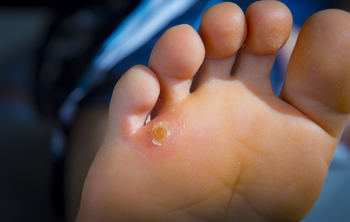 Corns, similar to calluses, are hardened layers of dead skin that typically appear in a small, ball-like shape. They can generally be found on the bottom of the feet and sides of the toes. Some patients have found them to be sensitive to the touch, often making it uncomfortable to wear shoes. The reasons why a patient may develop a corn may vary. Common risk factors include wearing shoes that are too tight for your feet, not wearing socks, and walking while barefoot. The causes previously listed all have one factor in common, excess friction that irritates the skin. The removal of a corn can be done by soaking and exfoliating the feet, followed by filing the corn with a pumice stone. For a safe removal process, please seek the professional care of a podiatrist.
Corns can make walking very painful and should be treated immediately. If you have questions regarding your Feet, contact Brent Harwood, DPM of Southeast Podiatry. Our doctor will treat your foot care needs.
Corns: What Are They? And How Do You Get Rid of Them?
Corns are thickened areas on the skin that can become painful. They are caused by excessive pressure and friction on the skin. Corns press into the deeper layers of the skin and are usually round in shape.
Ways to Prevent Corns
There are many ways to get rid of painful corns such as:
Treating Corns
Although most corns slowly disappear when the friction or pressure stops, this isn’t always the case. Consult with your podiatrist to determine the best treatment option for your case of corns.
If you have any questions please feel free to contact one of our offices located in Fairhope, Brewton, and Atmore, AL . We offer the newest diagnostic and treatment technologies for all your foot care needs.
Read more about Corns and Calluses
Your feet are covered most of the day. If you're diabetic, periodic screening is important for good health. Numbness is often a sign of diabetic foot and can mask a sore or wound.
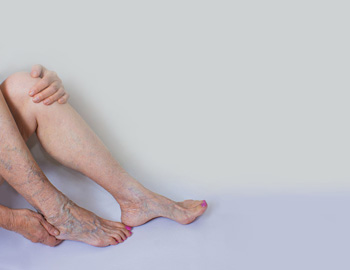 The medical condition that is known as neuropathy can affect the feet. Common symptoms patients experience may include a numbing or tingling sensation, and it is often difficult to feel existing cuts or bruises. People who are diabetic may be prone to developing neuropathy. It is beneficial for these patients to have regular foot examinations, refrain from walking barefoot outdoors, in addition to wearing shoes that fit correctly. Relief may be found when blood glucose levels are properly managed, and healthy eating habits are implemented. If you have symptoms of neuropathy, it is strongly advised that you are under the care of a podiatrist who can help you to begin the correct treatment plan.
Neuropathy
Neuropathy can be a potentially serious condition, especially if it is left undiagnosed. If you have any concerns that you may be experiencing nerve loss in your feet, consult with Brent Harwood, DPM from Southeast Podiatry. Our doctor will assess your condition and provide you with quality foot and treatment for neuropathy.
What Is Neuropathy?
Neuropathy is a condition that leads to damage to the nerves in the body. Peripheral neuropathy, or neuropathy that affects your peripheral nervous system, usually occurs in the feet. Neuropathy can be triggered by a number of different causes. Such causes include diabetes, infections, cancers, disorders, and toxic substances.
Symptoms of Neuropathy Include:
Those with diabetes are at serious risk due to being unable to feel an ulcer on their feet. Diabetics usually also suffer from poor blood circulation. This can lead to the wound not healing, infections occurring, and the limb may have to be amputated.
Treatment
To treat neuropathy in the foot, podiatrists will first diagnose the cause of the neuropathy. Figuring out the underlying cause of the neuropathy will allow the podiatrist to prescribe the best treatment, whether it be caused by diabetes, toxic substance exposure, infection, etc. If the nerve has not died, then it’s possible that sensation may be able to return to the foot.
Pain medication may be issued for pain. Electrical nerve stimulation can be used to stimulate nerves. If the neuropathy is caused from pressure on the nerves, then surgery may be necessary.
If you have any questions, please feel free to contact one of our offices located in Fairhope, Brewton, and Atmore, AL . We offer the newest diagnostic and treatment technologies for all your foot care needs.
Read more about Neuropathy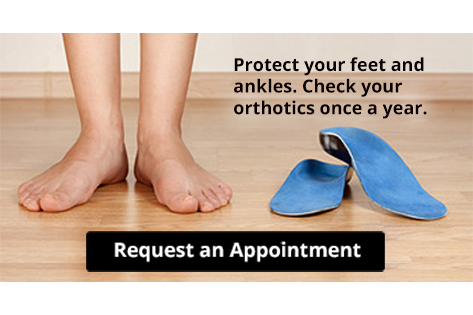
Custom orthotics, or shoe inserts, should be periodically replaced. Orthotics must fit properly to give you the best results. Protect your feet and ankles!
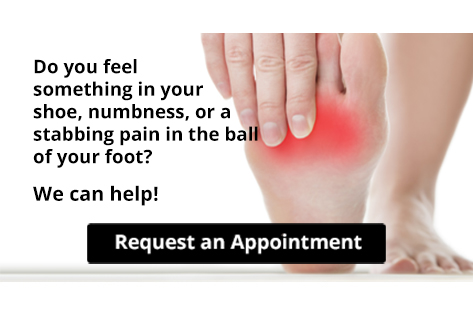
Suffering from this type of pain? You may have the foot condition known as Morton's neuroma. Morton's neuroma may develop as a result of ill-fitting footwear and existing foot deformities. We can help.
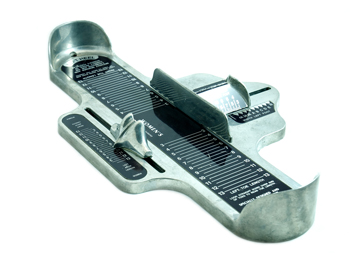 When purchasing shoes, it’s important to make sure you choose the correct size shoe by figuring out the accurate length and width of your foot. This can be found by measuring your foot at the end of the day when the feet are at their largest. It would also be beneficial to wear the same or similar socks while trying shoes on, as this may help to ensure a proper fit. Many shoe stores have a measuring tool that is known as a Brannock device, which can help to determine the correct size of your foot. Some patients prefer to stand on a piece of paper while tracing their feet. Both feet are rarely the same size, and it is suggested to use the size of the larger foot. It is beneficial to choose a style shoe that fits comfortably when tried on and to avoid shoes that have to be broken in. If you would like additional information about how to determine your correct shoe size, please consult with a podiatrist.
Getting the right shoe size is an important part of proper foot health. Seek the assistance of Brent Harwood, DPM from Southeast Podiatry. Our doctor will provide the care you need to keep you pain-free and on your feet.
Getting the Right Shoe Size
There are many people who wear shoes that are the incorrect size, negatively affecting their feet and posture. Selecting the right shoes is not a difficult process, so long as you keep several things in mind when it comes to choosing the right pair.
As our feet hold our body weight and keep us moving, it is important to treat them right. Picking the right pair of shoes can provide your feet comfort and mobility without pain.
If you have any questions, please feel free to contact one of our offices located in Fairhope, Brewton, and Atmore, AL . We offer the newest diagnostic and treatment technologies for all your foot care needs.
Read more about Getting the Right Shoe Size
Do you suffer from heel pain when you get up in the morning? If so, you should seek the professional help of your podiatrist and have a proper diagnosis performed. Heel pain can be caused by several different foot-related conditions.
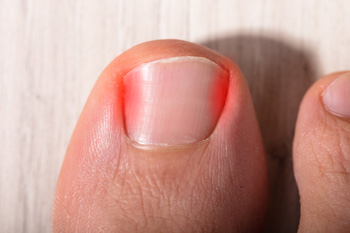
The condition that is known as an ingrown toenail can cause severe pain and discomfort. It occurs as a result of the side of the nail on the big toe growing into the outer edges of the skin. It can happen from trimming the nail incorrectly, or from wearing shoes that do not have ample room for the toes to move freely in. One of the first symptoms that is noticed can be slight swelling and redness on the side of the nail. If this is not treated promptly, it can become infected, and a discharge may ooze from the impacted area. Some patients have found mild relief when the foot is soaked in warm water. This may help the skin surrounding the ingrown toenail to soften, which may make it easier to gently pull the nail away from the skin. If you have developed an ingrown toenail, it is strongly suggested that you consult with a podiatrist who can perform the best treatment for this ailment.
Ingrown toenails may initially present themselves as a minor discomfort, but they may progress into an infection in the skin without proper treatment. For more information about ingrown toenails, contact Brent Harwood, DPM of Southeast Podiatry. Our doctor can provide the care you need to keep you pain-free and on your feet.
Ingrown Toenails
Ingrown toenails are caused when the corner or side of a toenail grows into the soft flesh surrounding it. They often result in redness, swelling, pain, and in some cases, infection. This condition typically affects the big toe and may recur if it is not treated properly.
Causes
You are more likely to develop an ingrown toenail if you are obese, have diabetes, arthritis, or have any fungal infection in your nails. Additionally, people who have foot or toe deformities are at a higher risk of developing an ingrown toenail.
Symptoms
Some symptoms of ingrown toenails are redness, swelling, and pain. In rare cases, there may be a yellowish drainage coming from the nail.
Treatment
Ignoring an ingrown toenail can have serious complications. Infections of the nail border can progress to a deeper soft-tissue infection, which can then turn into a bone infection. You should always speak with your podiatrist if you suspect you have an ingrown toenail, especially if you have diabetes or poor circulation.
If you have any questions, please feel free to contact one of our offices located in Fairhope, Brewton, and Atmore, AL . We offer the newest diagnostic and treatment technologies for all your foot care needs.