

Plantar warts are small growths that develop on parts of the feet that bear weight. They're typically found on the bottom of the foot. Don't live with plantar warts, and call us today!



Plantar warts are small growths that develop on parts of the feet that bear weight. They're typically found on the bottom of the foot. Don't live with plantar warts, and call us today!
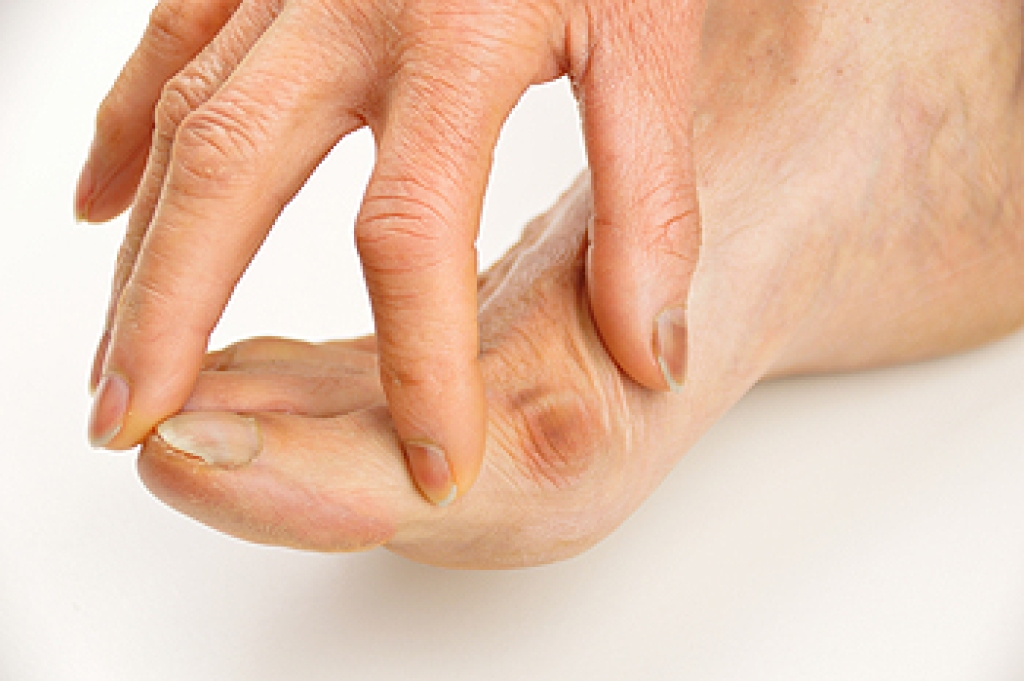
A bunion is a bony bump that forms at the base of the big toe when the joint gradually moves out of its normal position. As the big toe shifts toward the second toe, the joint begins to stick outward and can become painful. This change can make standing, wearing shoes, and walking more difficult. The skin over the bump can become red, swollen, and tender. Some people also notice stiffness in the big toe or have trouble moving the joint through its full range of motion. As the bunion becomes larger, it can affect balance and change the way weight is placed on the foot. A podiatrist can evaluate the joint and determine how much the bunion is affecting foot function.
Several factors increase the chance of developing a bunion. Family history plays an important role because foot shape can be inherited. Arthritis can also affect the joint and contribute to the deformity. Wearing shoes that squeeze the toes into a narrow space can place added pressure on the joint and increase discomfort. Shoes that lack proper support can place extra stress on the front of the foot while walking. A podiatrist performs a physical examination and studies the position of the bones in the foot. X-rays are frequently used to measure the alignment of the joint and to help guide treatment decisions.
Treatment depends on the severity of the bunion and the amount of pain it causes. A podiatrist can recommend custom orthotics to improve foot alignment and reduce pressure on the joint. Padding or splints can also help protect the affected area and improve comfort. When the bunion becomes severe and limits daily activities, surgery can correct the position of the joint and relieve pain. Early evaluation allows a podiatrist to monitor changes in the bunion and recommend treatment before the condition becomes more disabling. If you have symptoms of bunions, it is suggested that you make an appointment with a podiatrist for diagnosis and treatment.
If you are suffering from bunion pain, contact Brent Harwood, DPM of Southeast Podiatry. Our doctor can provide the care you need to keep you pain-free and on your feet.
What Is a Bunion?
Bunions are painful bony bumps that usually develop on the inside of the foot at the joint of the big toe. As the deformity increases over time, it may become painful to walk and wear shoes. Women are more likely to exacerbate existing bunions since they often wear tight, narrow shoes that shift their toes together. Bunion pain can be relieved by wearing wider shoes with enough room for the toes.
Causes
Symptoms
In order to diagnose your bunion, your podiatrist may ask about your medical history, symptoms, and general health. Your doctor might also order an x-ray to take a closer look at your feet. Nonsurgical treatment options include orthotics, padding, icing, changes in footwear, and medication. If nonsurgical treatments don’t alleviate your bunion pain, surgery may be necessary.
If you have any questions, please feel free to contact one of our offices located in Fairhope and Atmore, AL . We offer the newest diagnostic and treatment technologies for all your foot care needs.

Painful deformities, such as hammertoes, can be treated. Stop living with foot pain, and have beautiful feet again!
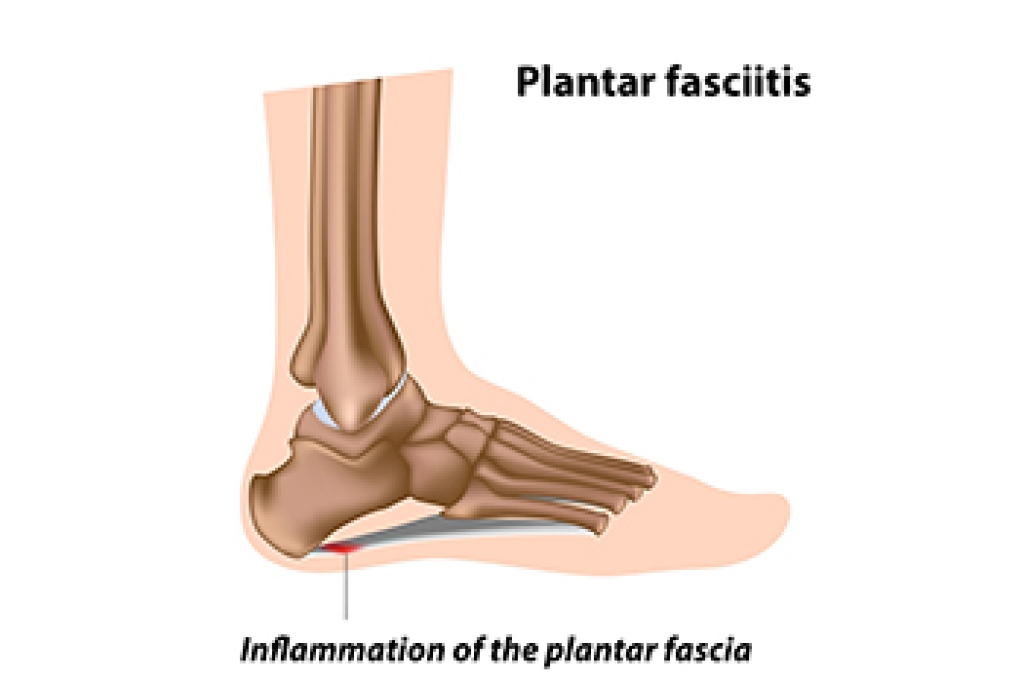
Plantar fasciitis is the most common cause of heel pain in adults and is defined as inflammation of the plantar fascia, a thick band of connective tissue that supports the arch of the foot. This tissue runs from the heel bone to the toes and plays a critical role in absorbing shock during walking and standing. When excessive strain is placed on the plantar fascia, small tears can develop, leading to irritation and inflammation. Over time, this results in persistent discomfort that can interfere with daily movement and activity.
The most recognizable symptom of plantar fasciitis is sharp heel pain that is often worse with the first steps in the morning. This occurs because the plantar fascia tightens overnight, then stretches suddenly when weight is applied. Patients may also notice heel swelling, tenderness along the bottom of the foot, and increased pain after long periods of standing or walking. The discomfort may improve with light movement but can return after prolonged activity, making it a frustrating and recurring condition.
There are several causes and contributing factors associated with plantar fasciitis. Overuse is one of the leading causes, especially in individuals who spend long hours on their feet or engage in high impact activities. Obesity can increase pressure on the plantar fascia, while improper footwear that lacks arch support can worsen strain. Risk factors also include flat feet, high arches, and occupations that require repetitive standing or walking on hard surfaces.
Early recognition and proper management are essential to prevent worsening symptoms. Treatment may include stretching exercises, wearing supportive footwear, custom orthotics, and activity modification to reduce stress on the heel. Addressing risk factors such as weight and biomechanics can also improve long term outcomes. If you have heel pain, it is strongly suggested that you consult a podiatrist who can accurately diagnose and treat plantar fasciitis.
Plantar fasciitis is a common foot condition that is often caused by a strain injury. If you are experiencing heel pain or symptoms of plantar fasciitis, contact Brent Harwood, DPM from Southeast Podiatry. Our doctor can provide the care you need to keep you pain-free and on your feet.
What Is Plantar Fasciitis?
Plantar fasciitis is one of the most common causes of heel pain. The plantar fascia is a ligament that connects your heel to the front of your foot. When this ligament becomes inflamed, plantar fasciitis is the result. If you have plantar fasciitis you will have a stabbing pain that usually occurs with your first steps in the morning. As the day progresses and you walk around more, this pain will start to disappear, but it will return after long periods of standing or sitting.
What Causes Plantar Fasciitis?
There are some risk factors that may make you more likely to develop plantar fasciitis compared to others. The condition most commonly affects adults between the ages of 40 and 60. It also tends to affect people who are obese because the extra pounds result in extra stress being placed on the plantar fascia.
Prevention
There are a variety of treatment options available for plantar fasciitis along with the pain that accompanies it. Additionally, physical therapy is a very important component in the treatment process. It is important that you meet with your podiatrist to determine which treatment option is best for you.
If you have any questions, please feel free to contact one of our offices located in Fairhope and Atmore, AL . We offer the newest diagnostic and treatment technologies for all your foot care needs.

Neuropathy is a condition that can lead to numbness or loss of sensation in the feet, but it can also cause pain. This condition is more likely to develop for those who are diabetic, obese, or with high blood pressure.